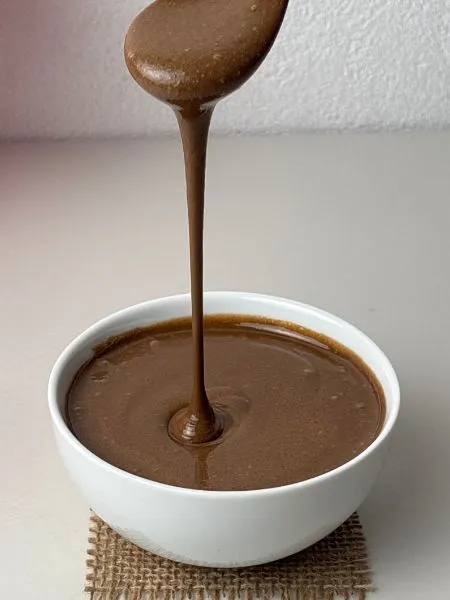
10-Minute Homemade Penuat Butter Recipe

Please read our Privacy & Disclosure Policy disclosure policy.
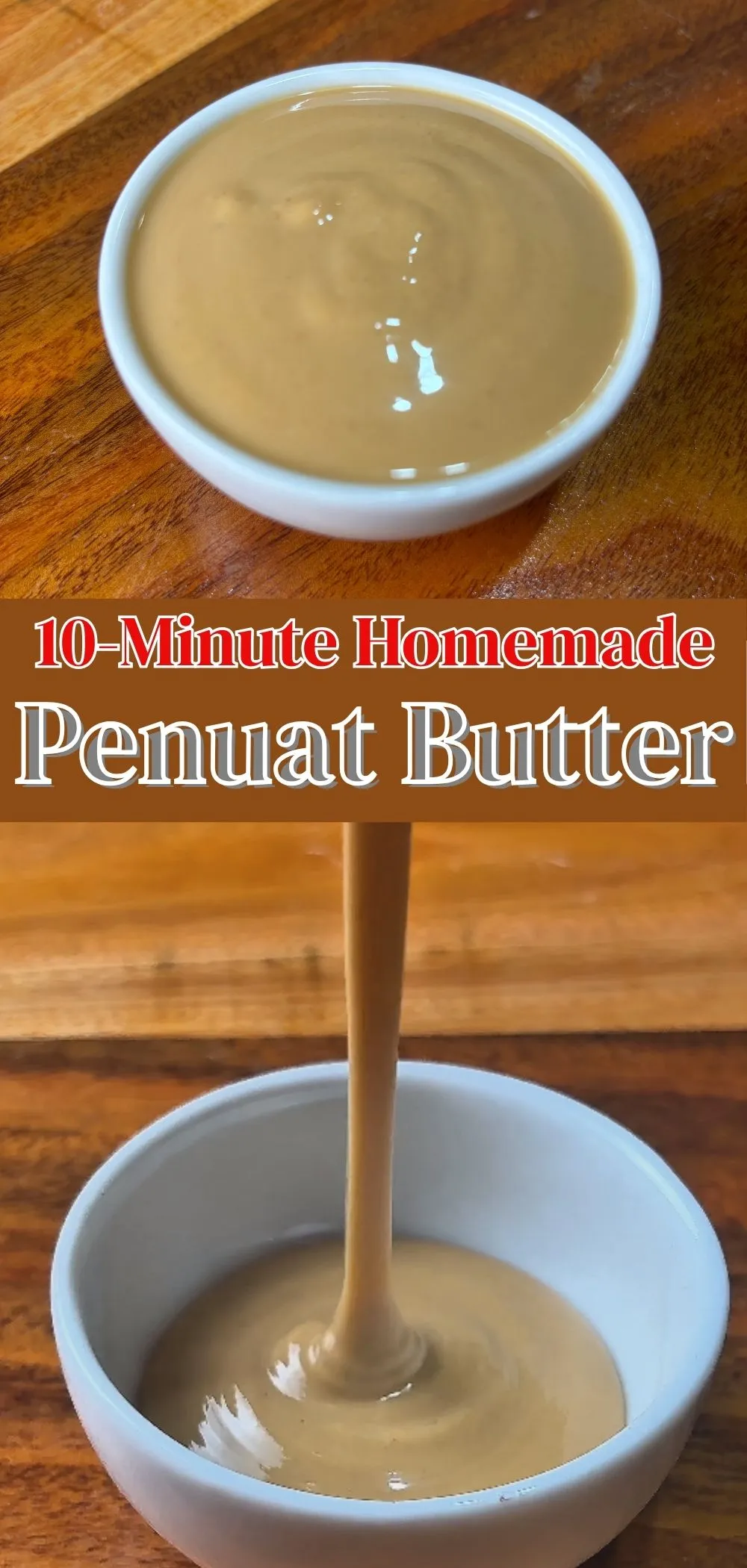
Just a handful of roasted peanuts and a few minutes of blending are all it takes to make thick, creamy peanut butter. It tastes fresh and natural, and you can make it as creamy or crunchy as you like, lightly salty or slightly sweetened.
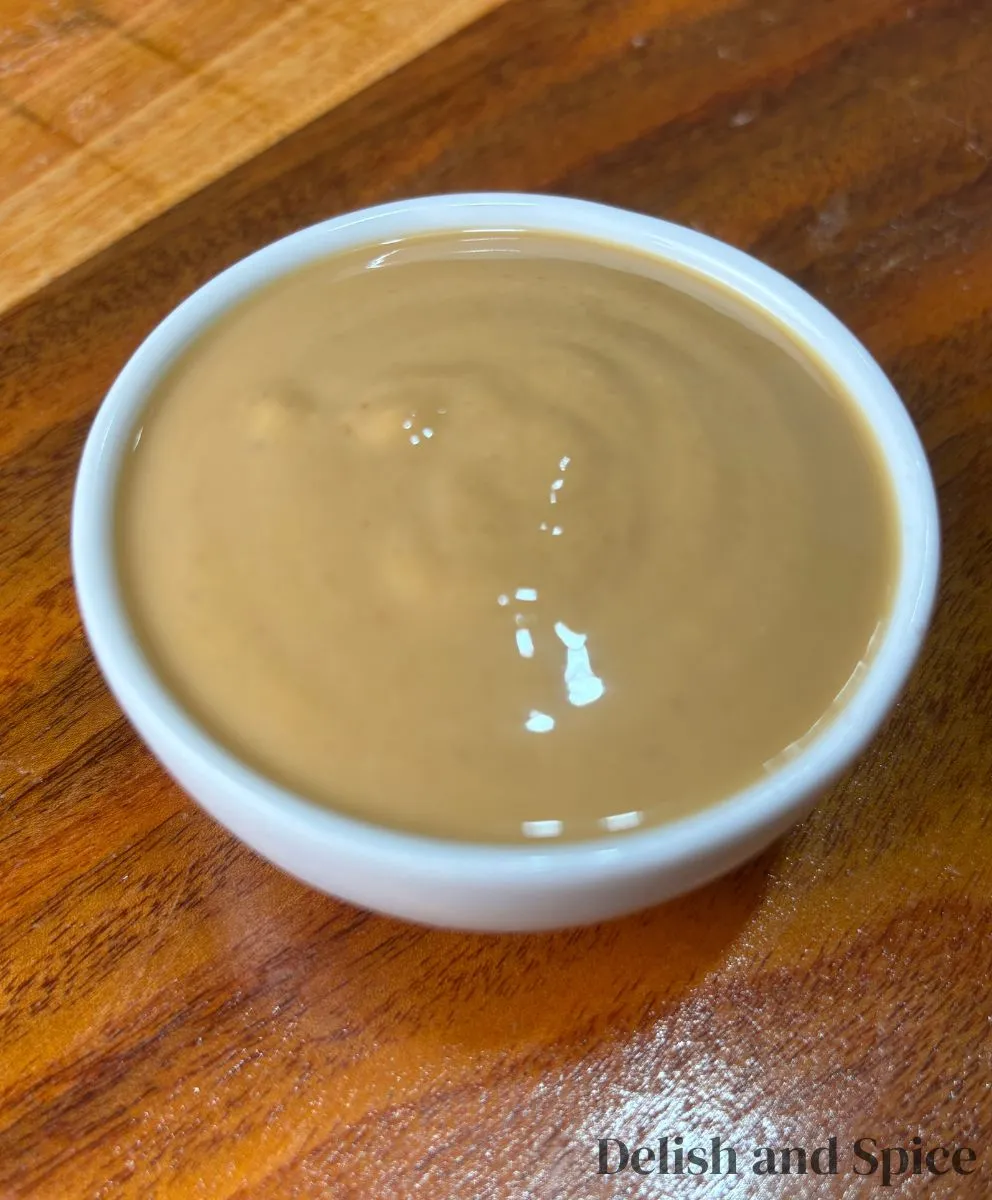
Perfect for breakfast, a snack, or baking recipes. No preservatives or artificial ingredients—just natural and healthy. In just 5–10 minutes, your food processor will deliver a smooth, silky texture.
Packed with protein, healthy fats, fiber, and essential nutrients. Spread it on toast, blend it into smoothies, or eat it straight from the spoon—delicious, easy, and satisfying for everyday use.
Ingredients Needs Penuat Butter Recipe
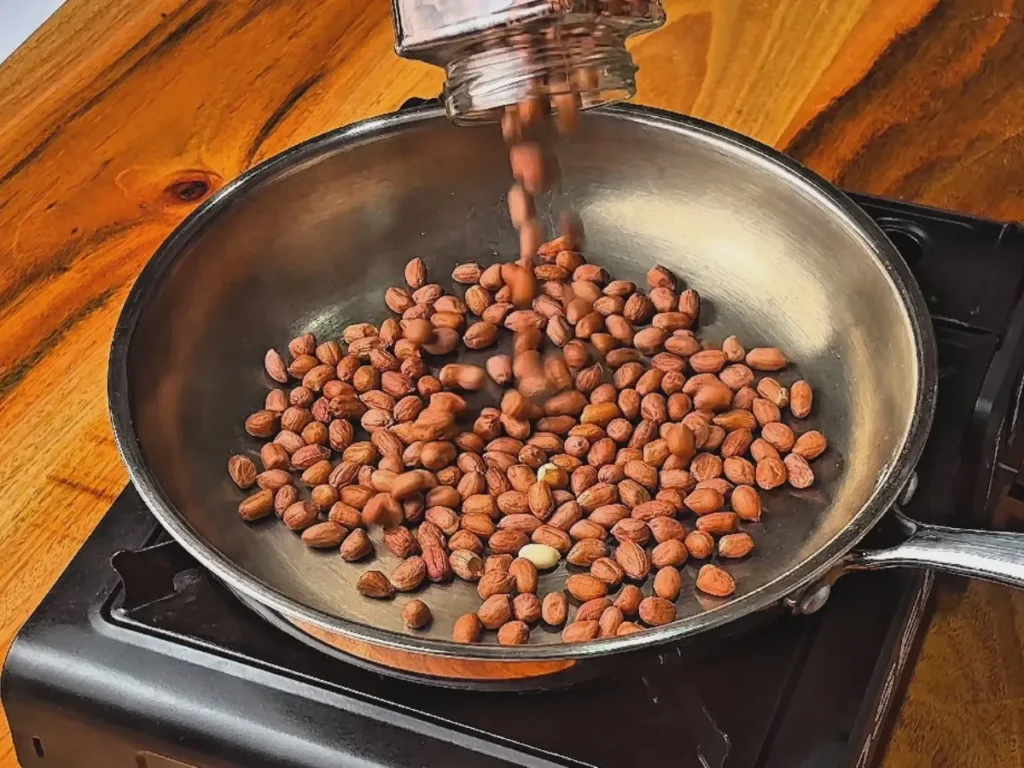
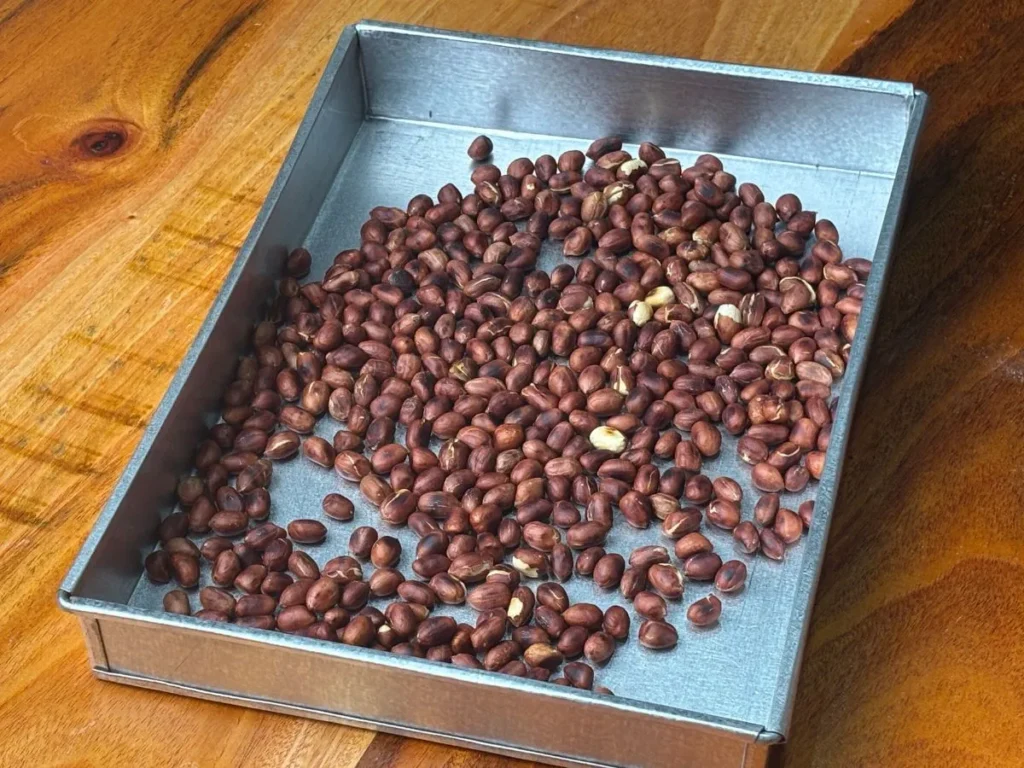
Peanuts (roasted or raw): To make homemade peanut butter, you first need good-quality peanuts. Using roasted peanuts gives the peanut butter a deep, rich, and nutty flavor. Using raw peanuts, on the other hand, results in a lighter, more natural, and milder taste. It’s best to use unsalted peanuts, as this allows you to adjust the salt and other seasonings to your liking.
Salt: To balance the flavor, you can add a pinch of salt. It beautifully brings out the natural taste of the nuts. Those who prefer a milder flavor should use less salt; if you want a more savory taste, you can increase the amount slightly.
Honey or Maple Syrup: For sweetness, you can add honey or maple syrup. Honey brings the familiar, soft, natural sweetness to peanut butter, while maple syrup provides a smooth, light caramel-like flavor. However, these are completely optional—you can also make an entirely natural peanut butter without any sugar if you prefer.
Neutral oil: To achieve a creamier, smoother texture, you can use a little nut oil or a neutral oil. Especially if the nuts are a bit dry, the oil makes blending easier and makes the peanut butter softer. Using nut oil makes the flavor richer, while a neutral oil like sunflower or canola oil won’t significantly change the original nut flavor.
How to make a Peanut Butter recipe
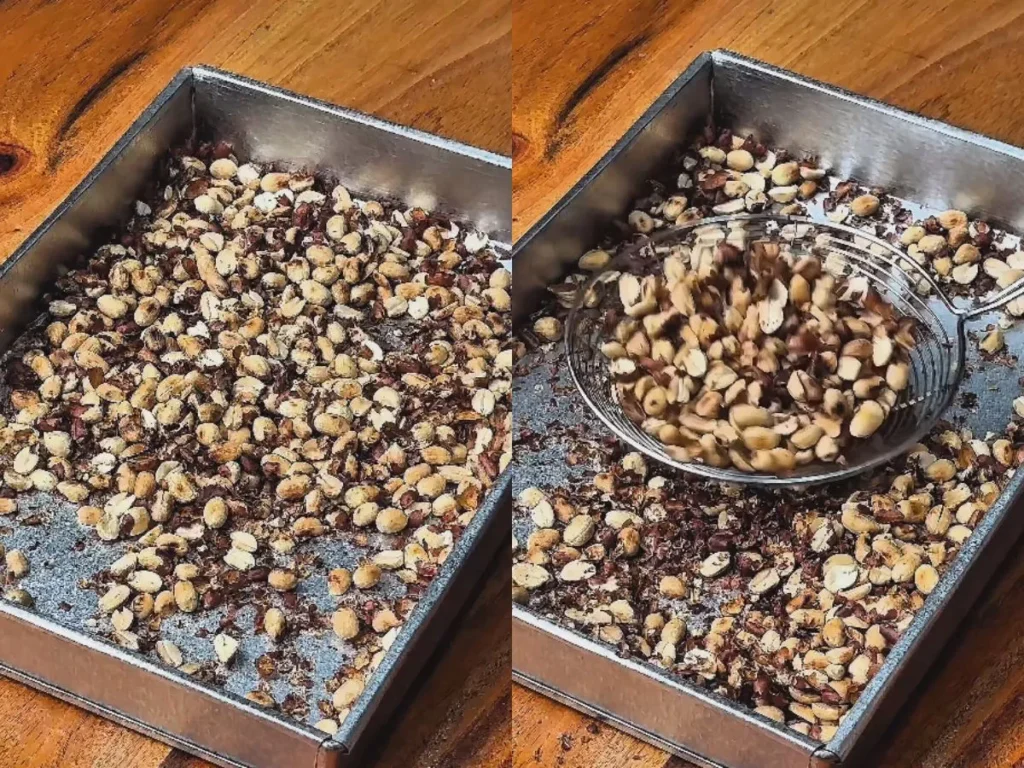
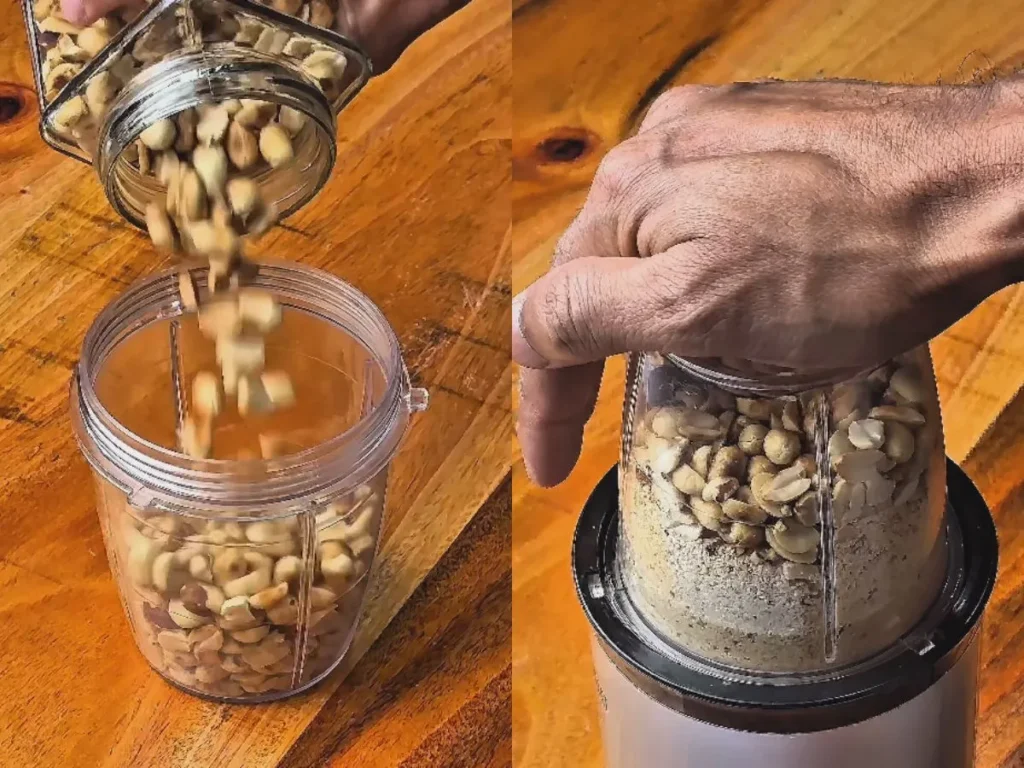
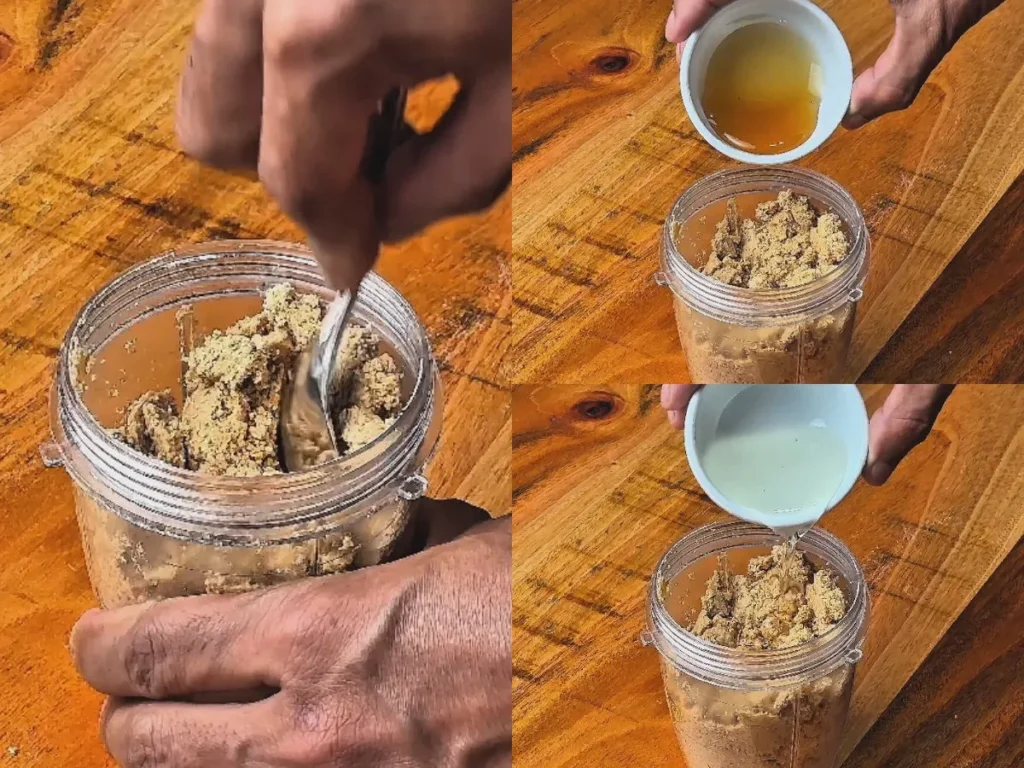
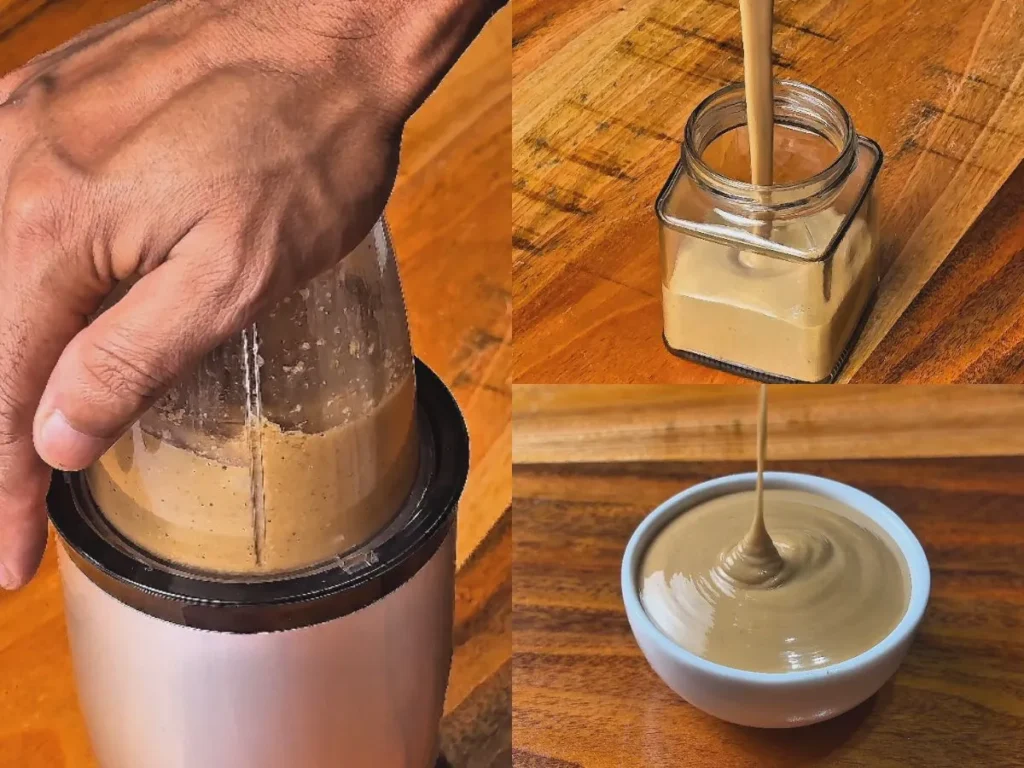
Tips for Making the Best Peanut Butter
Homemade peanut butter is easy, but the right texture needs patience. At first, the peanuts may look dry and crumbly, but keep blending. After a few minutes, their natural oils release and turn the mixture into thick, creamy peanut butter.
Use slightly warm peanuts: After roasting, let the peanuts cool for a few minutes, but don’t wait until they are fully cold. Warm peanuts blend faster and release oil more easily, giving you a smoother, softer spread.
Blend with patience: Peanuts go from chunks to powder, then to a thick paste before becoming creamy. Stop sometimes to scrape the sides of the food processor, then blend again until smooth.
Go easy on extra oil: Peanuts already contain natural oil, so you usually don’t need to add more. If the mixture still feels too dry, add only 1 teaspoon of oil and blend again. Too much oil can make the peanut butter sticky instead of creamy.
Health Benefits of Peanut Butter
Peanut butter is a tasty, nutrient-rich food that can support an active lifestyle when eaten in moderation. It gives steady energy, helps you feel full, and works well as a quick snack, breakfast spread, or gym-friendly food.
- It contains healthy monounsaturated and polyunsaturated fats, which may support heart health as part of a balanced diet. When buying peanut butter, choose options with simple ingredients and avoid added sugar, hydrogenated oils, or artificial additives.
- Plant-based protein source, two tablespoons usually provide around 7–8 grams of protein, which can help with muscle repair, energy, and daily body functions.
- Healthy fats, protein, and carbohydrates helps release energy slowly, making it useful before or after exercise or during a busy day.
- Peanut butter also provides nutrients: vitamin E, magnesium, potassium, and niacin, which support normal body function, muscles, bones, and overall wellness.
- Rich in protein and fat, even a small serving can keep you satisfied for longer. Just remember to watch portions, as peanut butter is calorie-dense.
Delicious Ways to Use Peanut Butter
A jar of peanut butter isn’t just for toast—it can easily add new flavor to breakfasts, snacks, smoothies, and various recipes.
- On Toast: Spread peanut butter on whole-grain toast, add banana slices, and a drizzle of honey. It’s a simple, delicious, and filling snack.
- In Smoothies: Blend a spoonful of peanut butter with a banana, milk, or oat milk. It makes the smoothie creamier and more satisfying.
- As a Dip: Make a delicious dip by mixing peanut butter, lemon juice, soy sauce, and a little ginger. It pairs great with vegetables, spring rolls, or grilled chicken.
- In Oatmeal: Stir a spoonful of peanut butter into hot oatmeal and top with a banana or cinnamon. It’s a nutritious and comforting breakfast.
- In Baking: Adding peanut butter to cookie, brownie, energy ball, or pancake batter enhances the flavor and texture.
- Noodles and Sauce: Quickly make a creamy sauce by mixing peanut butter, soy sauce, garlic, and a little lemon juice. It’s delicious with noodles, salads, or grilled foods.
Common Mistakes to Avoid
Even a simple recipe has a few traps. Here’s what to watch for:
- Don’t rush the blending. A lot of people stop too early when the peanuts look pasty. Keep going. True peanut butter smoothness comes at the 8–10 minute mark.
- Don’t add too much oil. A little goes a long way. Too much oil makes the peanut butter greasy and thin.
- Don’t over-sweeten. Start with one tablespoon of honey. Taste. Add more only if needed. It’s easy to add sweetness — you can’t take it away.
- Don’t store it uncovered. Peanut butter absorbs odors from the fridge. Always keep it tightly sealed.
Some Delicious Variations of Homemade Peanut Butter
- Chocolate Peanut Butter
- Spicy Peanut Butter
- Vanilla Honey Peanut Butter
- Coconut Peanut Butter
- Dark Roast Peanut Butter
- Create Your Own Flavor
Easy Tips for Storing Homemade Peanut Butter
Homemade peanut butter doesn’t contain any artificial preservatives, so proper storage is essential to maintain its flavor and freshness. By following a few simple rules, your peanut butter will stay good for a long time.
How long does it last?
It generally lasts for 2–4 weeks at room temperature. In the refrigerator, it can stay fresh for 3–6 months. In hot weather, it’s best to store it in the fridge.
What container should you use?
An airtight glass jar is the most suitable. Glass doesn’t absorb oil or odors, so the peanut butter’s flavor and quality remain intact. For long-term storage, it’s better to use a glass jar instead of a plastic container.
Benefits of Refrigeration
Refrigeration slows down oxidation, preventing the peanut butter from going rancid or bitter quickly. It may become somewhat firm in the cold, so letting it sit out for 10–15 minutes before use will make it easy to spread again.
Tips for Keeping It Fresh
- Always use a clean, dry spoon.
- Avoid letting wet spoons or food particles fall into the jar.
- Tightly close the lid after each use.
- Avoid direct sunlight and excessively hot places.
When stored properly, homemade peanut butter will retain its smooth texture, natural flavor, and nutritional value for a long time. This way, you can enjoy fresh and delicious peanut butter every time.
FAQs About Peanut Butter Recipe
Can I make peanut butter without adding oil?
Yes, you can. Peanuts naturally release their own oils during blending, so with freshly roasted peanuts and a little patience, you can achieve a rich, creamy texture without adding extra oil.
Do I need to add sugar?
Not at all. Homemade peanut butter tastes great on its own. If you enjoy a sweeter flavor, add a small amount of honey, maple syrup, or date syrup to suit your taste.
How long does homemade peanut butter stay fresh?
Stored in a clean, airtight glass jar, homemade peanut butter usually lasts 2–4 weeks at room temperature and up to 3–6 months in the refrigerator. If oil separates on top, simply stir before using.
Should peanut butter be refrigerated?
Refrigeration is optional but recommended. Keeping it in the fridge helps maintain freshness, slows oil spoilage, and preserves flavor for a longer time.
YOU MAY ALSO LIKE...

Anupam
Before I even start cooking, I taste-test everything to make sure it’s spot-on. Then, I break it down for you with everyday essentials, nutrition info, and simple, step-by-step instructions. From breakfast to dinner, I walk you through each stage so cooking becomes easy, fun, and stress-free.
Read More