Pan-Seared Salmon Recipe

Please read our Privacy & Disclosure Policy disclosure policy.
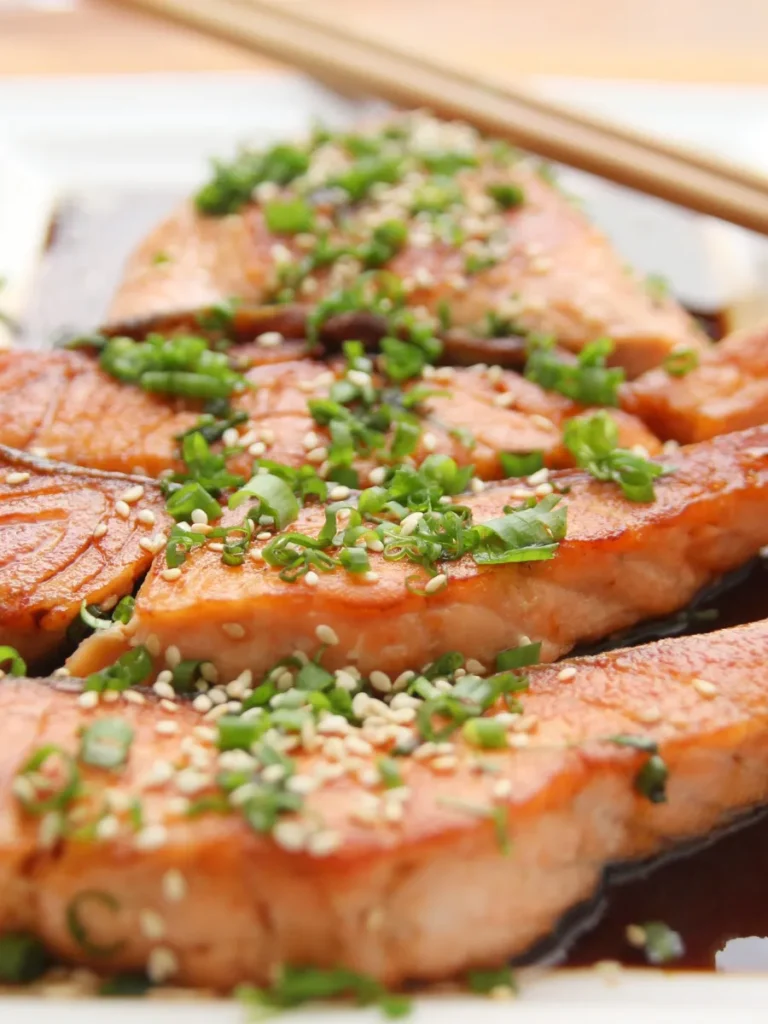
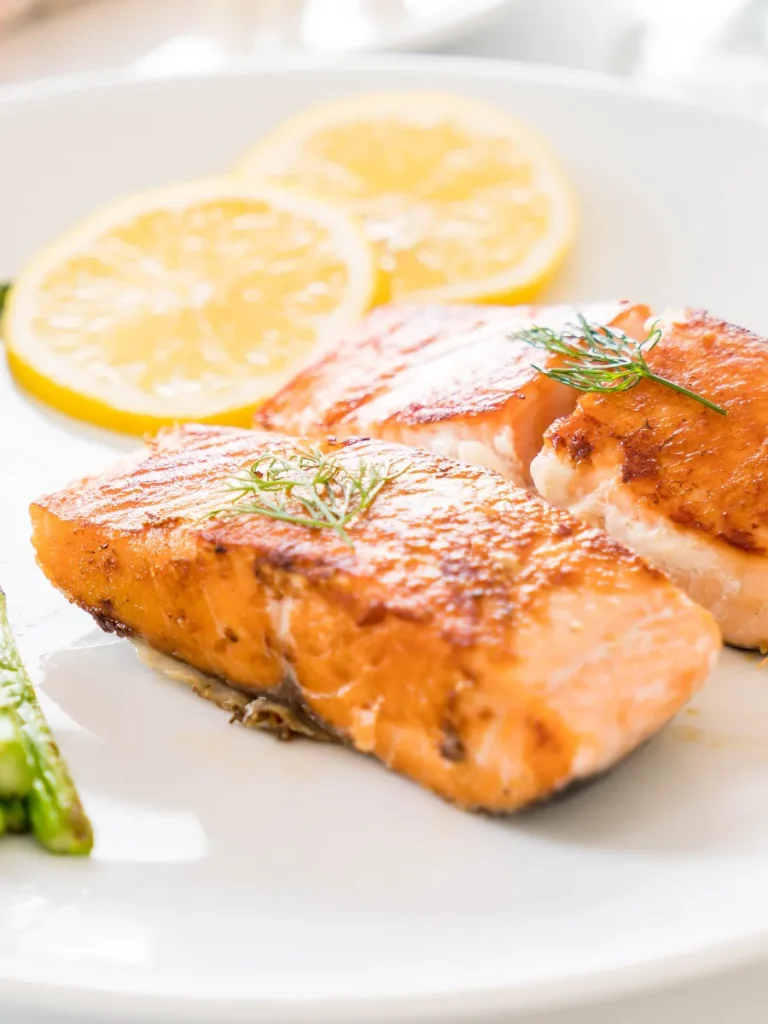
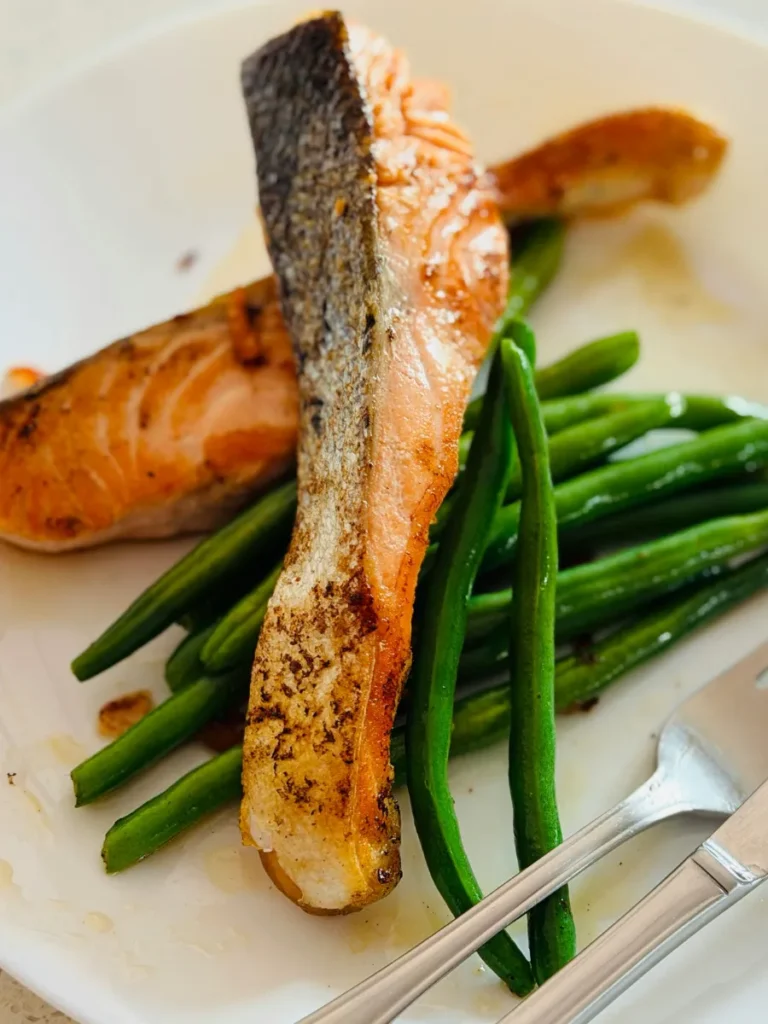
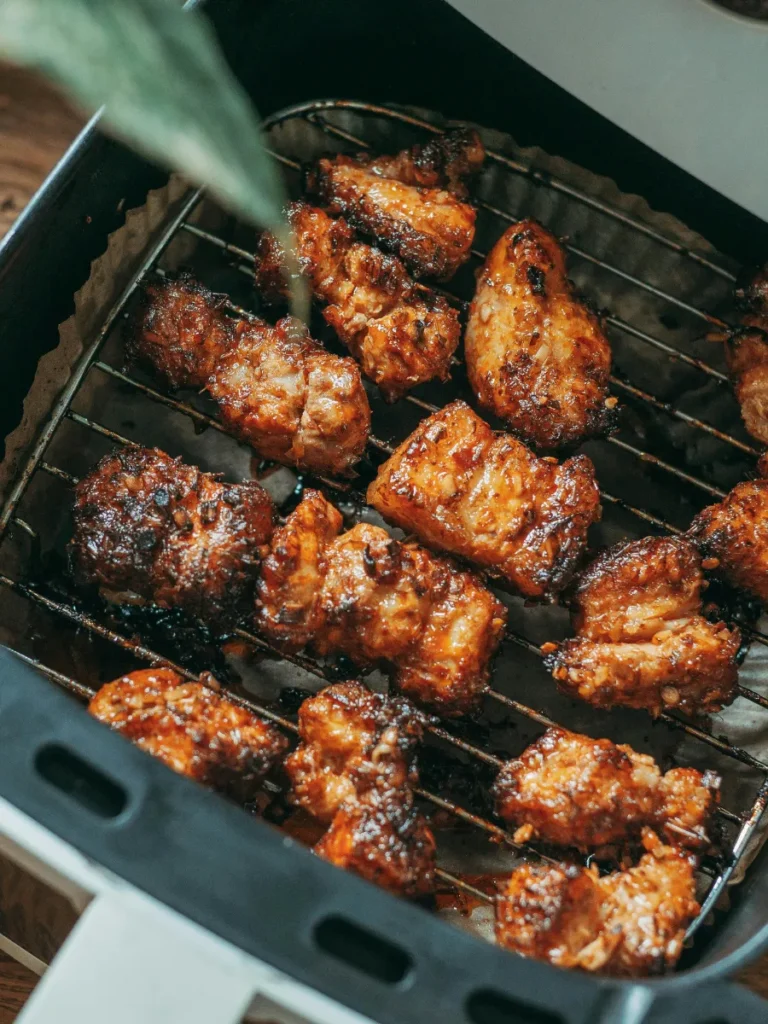
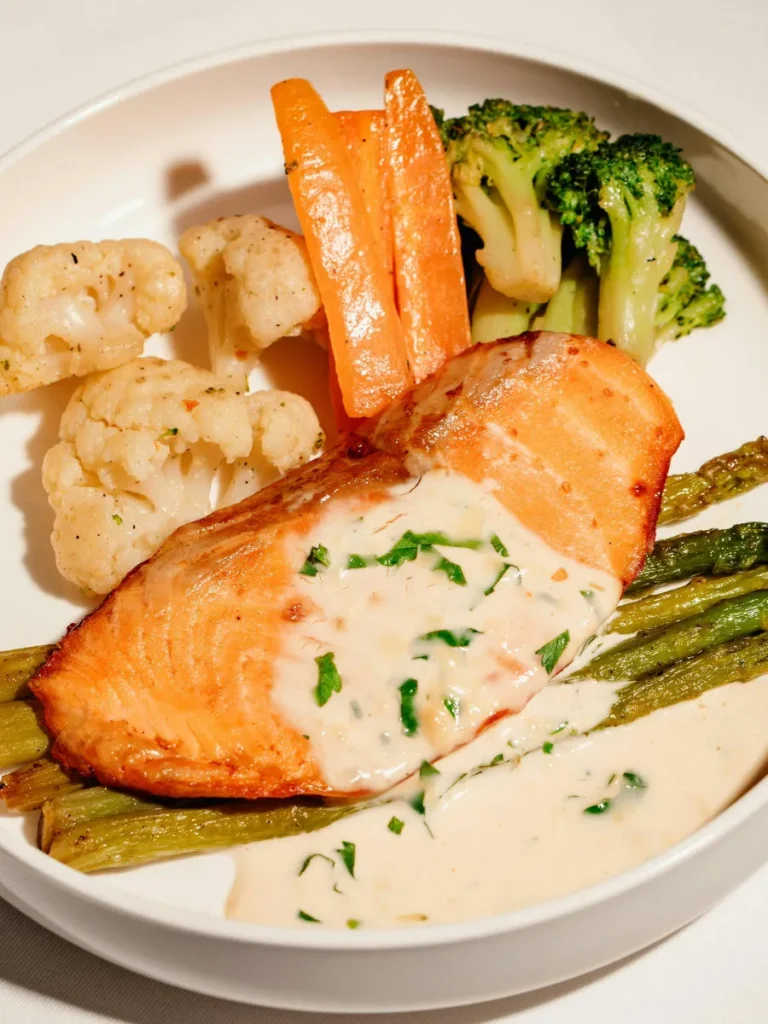
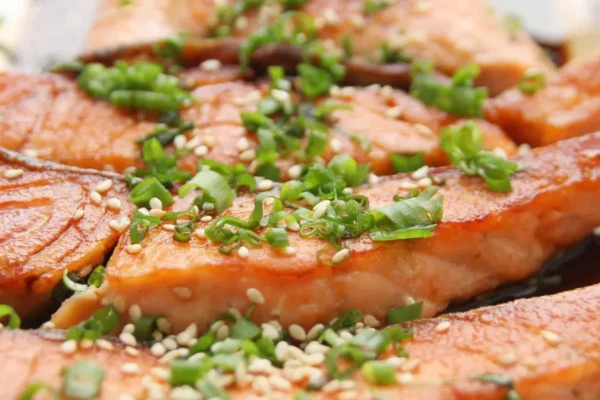
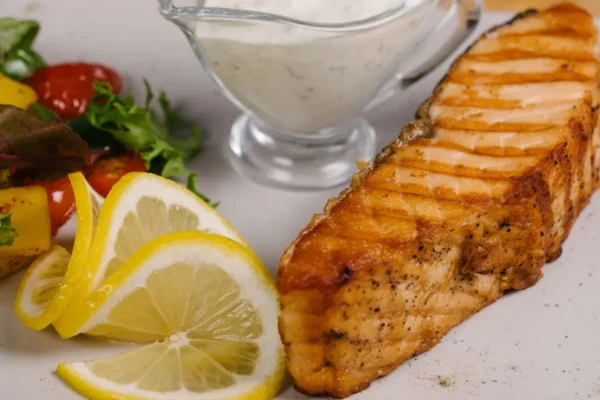
Pan-Seared Salmon is a quick dinner that feels special without much work. A hot skillet gives the salmon a golden, crisp crust while keeping the inside tender and juicy. You only need a few simple ingredients, such as salmon fillets, olive oil, garlic, butter, salt and black pepper. This recipe works well for busy weeknights because it cooks in about 15 minutes. Serve it with roasted vegetables, rice, potatoes or a fresh salad. The key is simple: dry the salmon well, heat the pan properly and avoid moving the fish too much while it cooks.
What Is Pan-Seared Salmon?
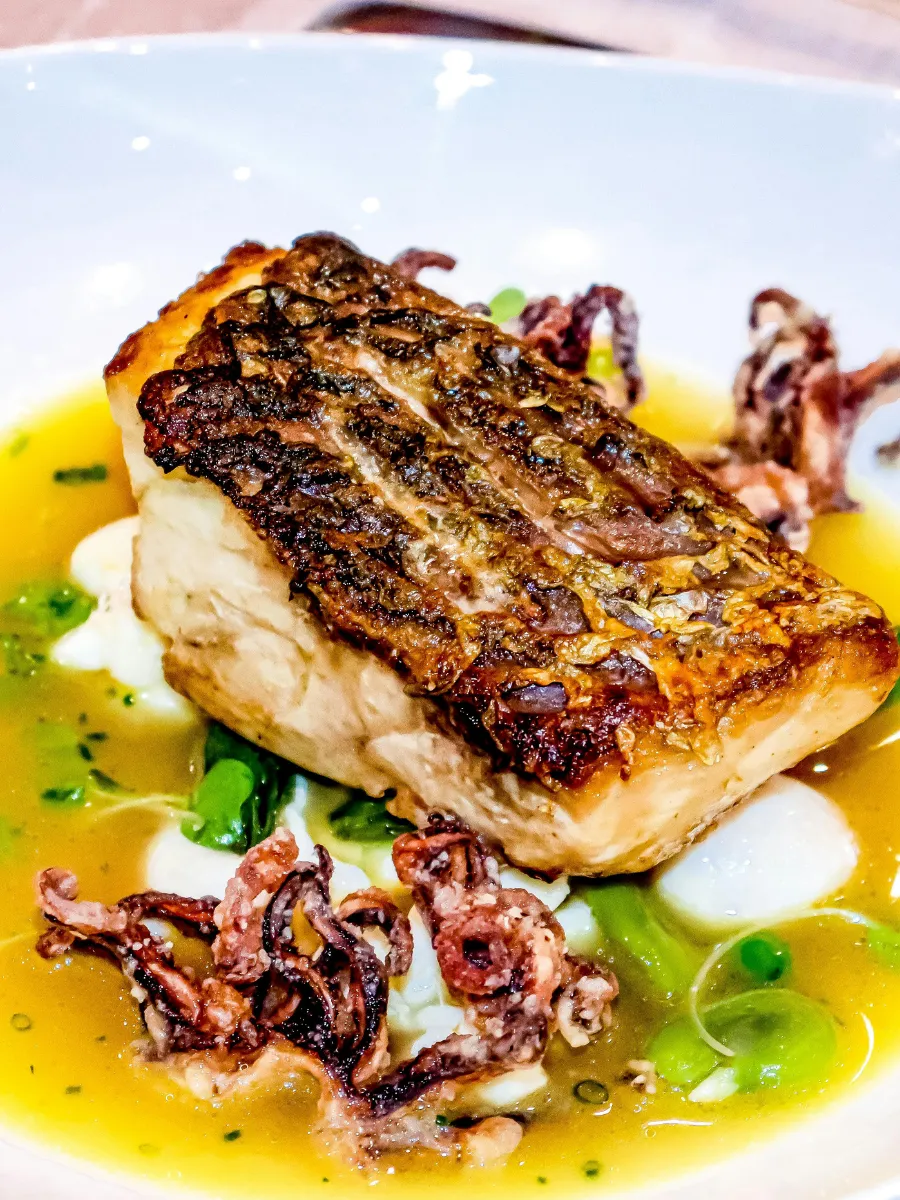
Pan-Seared Salmon is salmon cooked in a hot skillet with a small amount of oil. The fish develops a browned crust while the center stays moist and flaky. Adding butter and garlic near the end gives the salmon a rich flavor.
This method works best with skin-on or skinless salmon fillets. Skin-on salmon gives you an extra-crispy skin when you cook it correctly.
Ingredients
- 4 salmon fillets, about 6 ounces each
- 1 tablespoon olive oil
- 1 tablespoon unsalted butter
- 2 garlic cloves, minced
- 1 teaspoon kosher salt
- ½ teaspoon black pepper
- ½ teaspoon paprika
- ½ teaspoon dried parsley
- 1 tablespoon fresh lemon juice
- 1 teaspoon chopped fresh parsley, for garnish
- Lemon wedges, for serving
Instructions
1. Prepare the salmon: Pat the salmon fillets very dry with paper towels. Season both sides with salt, black pepper, paprika and dried parsley.
2. Heat the skillet: Place a large skillet over medium-high heat. Add the olive oil and let it heat until it looks shiny but does not smoke heavily.
3. Sear the salmon: Place the salmon in the skillet. If using skin-on fillets, place them skin-side down. Cook without moving for about 4 to 5 minutes.
4. Flip the fillets: Carefully turn the salmon. Cook the second side for about 3 to 4 minutes, depending on the thickness.
5. Add butter and garlic: Lower the heat to medium. Add the butter and minced garlic. Spoon the melted butter over the salmon for about 30 to 60 seconds.
6. Finish with lemon: Remove the pan from the heat. Add fresh lemon juice and spoon the buttery sauce over the fish.
7. Check for doneness: The salmon should flake easily with a fork. For food safety, cook salmon to an internal temperature of 145 F, measured at the thickest part.
8. Serve: Garnish with fresh parsley and serve hot with lemon wedges and your favorite side dishes.
Essential Note
- Dry salmon cooks better because excess moisture can prevent a good crust from forming. Use a heavy skillet, such as cast iron or stainless steel, and heat it before adding the fish.
- Do not place cold, wet salmon into a barely warm pan. The fish may stick and steam instead of searing. Let the salmon sit at room temperature for about 10 to 15 minutes before cooking, then pat it dry again if needed.
- The cooking time depends on the thickness of the fillets. A thin fillet may finish sooner, while a thick center needs more time. Use a digital meat thermometer for the most reliable result.
- If the salmon has skin, start skin-side down and press the fillet gently with a spatula for the first 20 to 30 seconds. This helps the skin stay flat against the hot skillet and become crisp.
- Avoid flipping the salmon several times. One careful flip usually gives better results and helps protect the tender flesh.
- Add butter and garlic near the end rather than at the start. Butter can burn over high heat, and burnt garlic can taste bitter. Lowering the heat before adding them gives you a smooth, flavorful sauce.
Recipe Notes
Use fresh or fully thawed salmon, dry the fillets well, and adjust cooking time based on thickness for a tender center and crisp, golden crust.
Cooking Tips and Tricks
- Dry the fish well: Moisture makes searing harder. Pat every side with paper towels before seasoning.
- Preheat the pan: A properly heated skillet helps create a golden crust and reduces sticking.
- Do not overcrowd: Leave space between fillets so the pan stays hot.
- Use medium-high heat: Very high heat can burn the outside before the center cooks.
- Cook skin-side down first: This gives salmon skin time to become crisp.
- Do not move the fish: Let the salmon sear undisturbed until it naturally releases from the pan.
- Watch the butter: Add it after lowering the heat to prevent burning.
- Check thick fillets: Use a meat thermometer instead of guessing the cooking time.
- Rest briefly: Let the salmon rest for 1 to 2 minutes before serving so the juices settle.
- Add lemon at the end: Fresh lemon juice brightens the rich butter flavor without overpowering the salmon.
YOU MAY ALSO LIKE...

Anupam
Before I even start cooking, I taste-test everything to make sure it’s spot-on. Then, I break it down for you with everyday essentials, nutrition info, and simple, step-by-step instructions. From breakfast to dinner, I walk you through each stage so cooking becomes easy, fun, and stress-free.
Read More