Easy Homemade Mayonnaise Sauce Recipe – Creamy & Delicious

Please read our Privacy & Disclosure Policy disclosure policy.
Mayonnaise sauce is a creamy, flavorful condiment made with egg yolk, oil, lemon juice or vinegar, and simple seasonings. Although store-bought mayonnaise is convenient, a homemade version often tastes fresher and lets you control the flavor and texture.
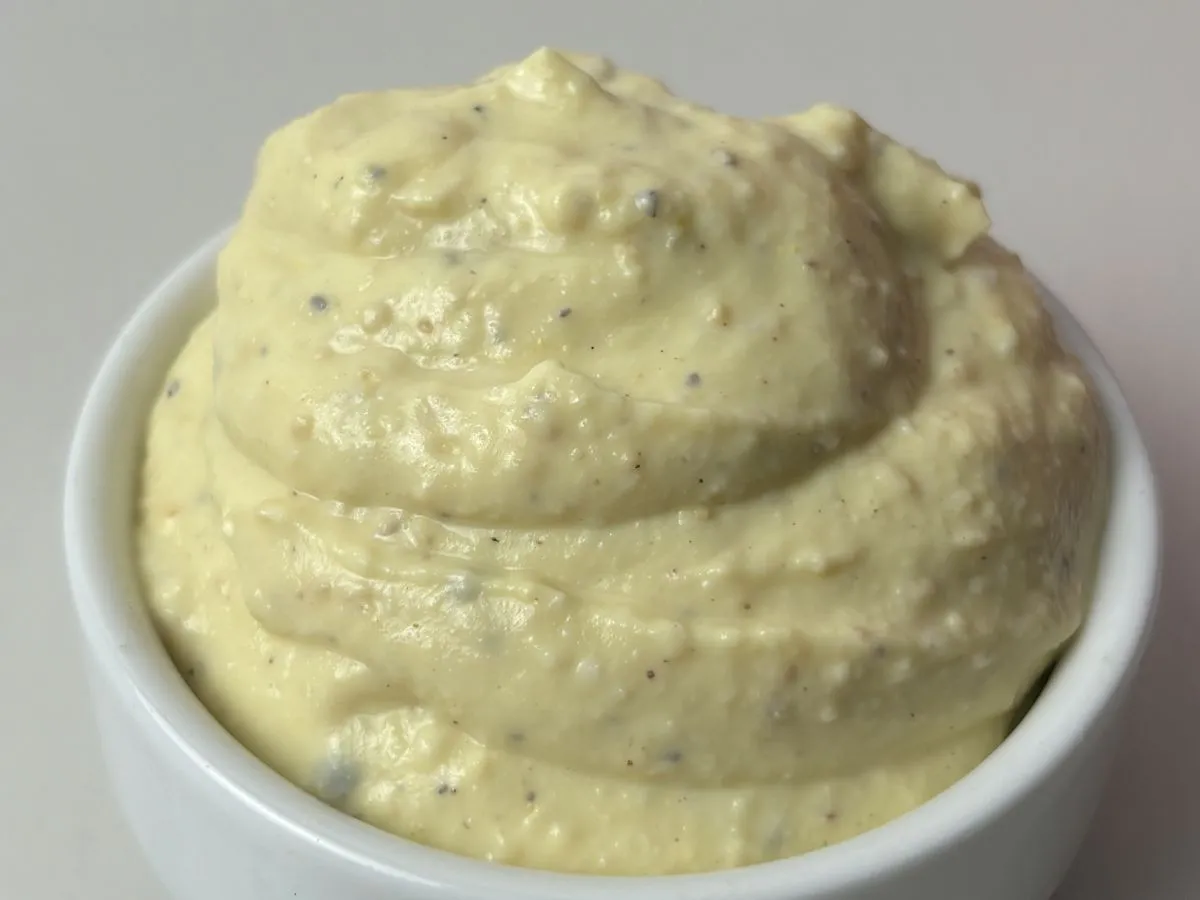
This easy mayonnaise sauce pairs well with sandwiches, burgers, salads, fries, chicken, seafood, and vegetables. Moreover, you can add garlic, mustard, herbs, or chili for a unique twist. With a few basic ingredients and the right mixing technique, you can prepare thick, smooth, and delicious mayonnaise in just minutes.
Mayonnaise Sauce Ingredients
Large Egg: Use one fresh, room-temperature egg. It helps the oil and lemon juice blend smoothly, creating thick and creamy mayonnaise.
Sunflower Oil: Its mild, neutral taste keeps the mayonnaise light and smooth without overpowering the other flavors.
Olive Oil: Add mild or light olive oil for extra richness and a subtle fruity taste. However, avoid strong extra-virgin olive oil, as it may make the sauce bitter.
Lemon Juice: Fresh lemon juice adds a bright, tangy flavor while balancing the richness of the oils. You can add a little more for extra sharpness.
Salt: Salt brings all the flavors together. Start with a small amount, then taste and adjust as needed.
How to Make Mayonnaise Sauce
Cooking Times:
- Preparation Time: 10 Minute
- Servings: 16 tablespoons
Equipment:
- Blender
- Mixing Jar
- Measuring Cups and Spoons
- Spatula
Main Ingredients:
- 1 large egg
- ½ cup sunflower oil
- ¼ cup olive oil
- 1 tbsp mustard paste
- 1 tbsp fresh lemon juice
- ½ tsp salt, or to taste
Step-by-step guide to Making Mayonnaise Sauce
Prepare the Ingredients: First, bring the egg to room temperature so it blends smoothly. Then, measure the oils, lemon juice, and salt.
Mix the Egg and Seasonings: Crack the egg into a narrow blender cup. Add the lemon juice and salt, then blend briefly until smooth and slightly foamy. You can also add a little mustard for extra flavor.
Slowly Add the Oil: Next, keep blending on low speed while adding the sunflower oil a few drops at a time. Once the mixture begins to thicken, slowly pour in the remaining sunflower and olive oils in a thin stream.
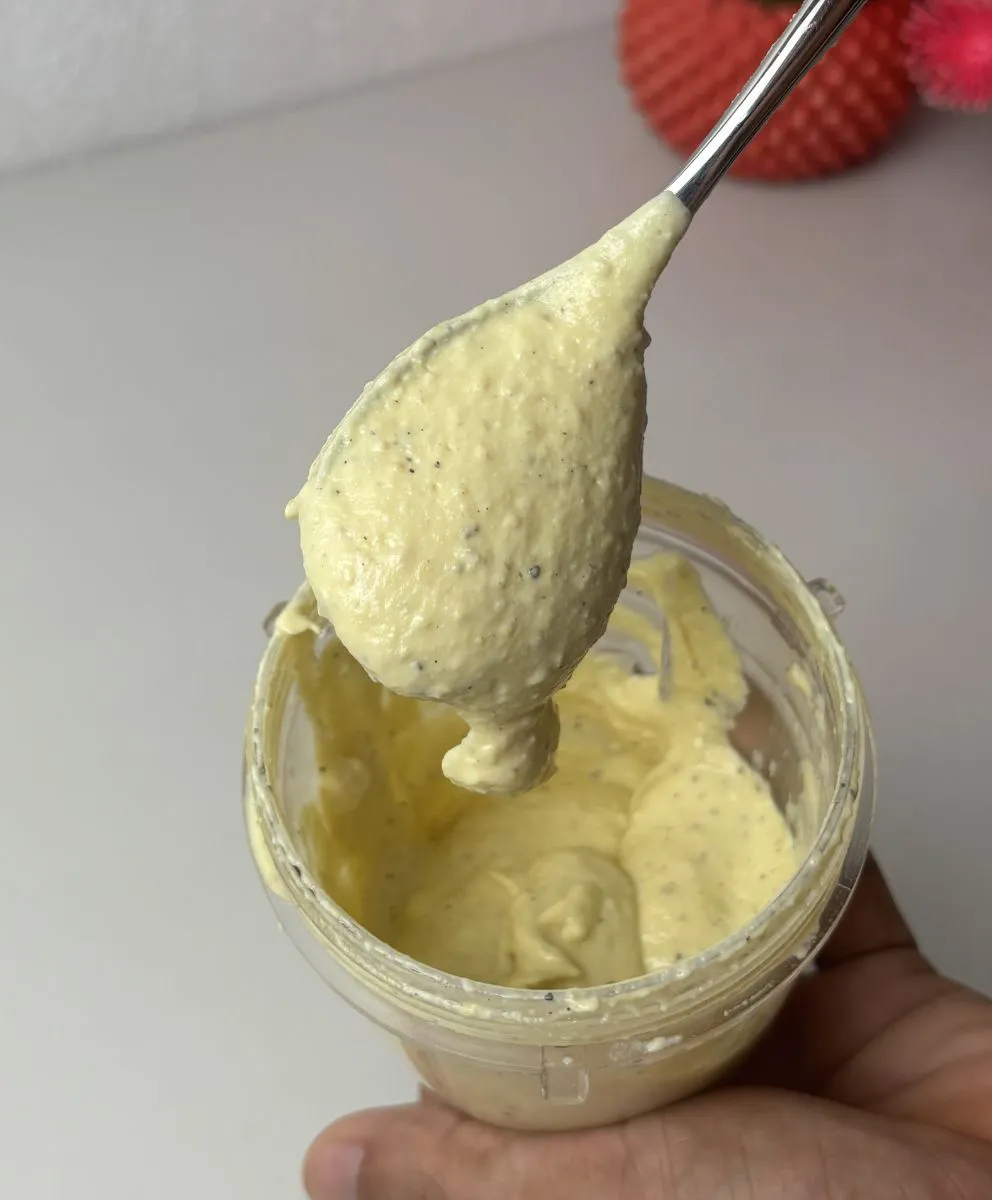
Blend Until Thick and Creamy: Continue blending while gently moving the blender up and down. Within a few moments, the mixture should become thick, smooth, and creamy. Stop once it reaches your desired texture.
Adjust the Flavor and Consistency: Finally, taste the mayonnaise and adjust the salt or lemon juice. For a thinner sauce, add one teaspoon of water at a time. Transfer it to a clean, airtight container and refrigerate immediately.
Mayonnaise Sauce Variations to Try
- Garlic Mayonnaise or Aioli
- Spicy Mayonnaise Sauce
- Lemon Mayonnaise
- Mustard Mayonnaise
- Herb Mayonnaise
- Eggless Mayonnaise
- Vegan Mayonnaise Sauce
- Japanese-Style Mayonnaise
What to Serve with Mayonnaise Sauce
- Burgers and Sandwiches
- French Fries and Potato Wedges
- Fried Chicken and Seafood
- Salads and Coleslaw
- Wraps and Shawarma
- Grilled Vegetables
Common Mistakes with Mayonnaise Sauce
- Adding Oil Too Fast: Pouring oil too quickly can cause the mayonnaise to split. Instead, begin with a few drops, then add the rest in a slow, steady stream.
- Using Cold Ingredients: Cold eggs and oil may not blend properly. Therefore, let them reach room temperature before mixing.
- Choosing Strong-Flavored Oil: Extra-virgin olive oil can taste bitter in mayonnaise. For a balanced flavor, use sunflower, canola, or another neutral oil.
- Over-Blending: Blending too long can affect the texture. Stop once the mayonnaise looks smooth, thick, and creamy.
- Using the Wrong Ratio: Too much oil can weaken the emulsion. Generally, use one large egg for every ¾ to 1 cup of oil.
Is Mayonnaise Sauce Healthy?
Mayonnaise can fit into a balanced diet when eaten in moderation. It provides fat, which helps the body absorb vitamins A, D, E, and K. However, regular mayonnaise is calorie-dense, so one to two tablespoons is usually enough for sandwiches, salads, or dips.
Homemade vs. Store-Bought Mayonnaise
Homemade mayonnaise lets you control the oil, salt, and seasonings. For safer preparation, use fresh pasteurized eggs because raw eggs may carry harmful bacteria.
Store-bought mayonnaise is more convenient and generally lasts longer. However, some varieties contain added sugar, high sodium, or heavily processed oils. Therefore, always check the ingredient list and nutrition label before choosing a brand.
Calories and Nutrition
One tablespoon of regular mayonnaise usually contains about 90–100 calories and 10–11 grams of fat. Since most calories come from oil, portion control is important. It may also provide small amounts of vitamins E and K, depending on the ingredients used.
Frequently Asked Questions Mayonnaise Sauce
Can I make mayonnaise without eggs?
Yes. You can make egg-free mayonnaise with aquafaba, soy milk, dairy milk, or silken tofu. These alternatives help bind the oil and create a creamy texture.
Can I use olive oil for mayonnaise?
Yes, although light or mild olive oil works best. Extra-virgin olive oil may taste bitter after blending. Therefore, mix it with sunflower or canola oil for a smoother flavor.
How can I make mayonnaise thicker?
First, slowly blend in a little more oil. However, if the mayonnaise has separated, whisk a fresh egg yolk in a clean bowl, then gradually add the broken mixture until it becomes creamy again.
Is raw egg safe in homemade mayonnaise?
Raw eggs can contain harmful bacteria. For this reason, use pasteurized eggs, especially when serving pregnant people, children, older adults, or anyone with a weakened immune system.


YOU MAY ALSO LIKE...


Anupam
Before I even start cooking, I taste-test everything to make sure it’s spot-on. Then, I break it down for you with everyday essentials, nutrition info, and simple, step-by-step instructions. From breakfast to dinner, I walk you through each stage so cooking becomes easy, fun, and stress-free.
Read More