Easy Pesto Sauce Recipe

Please read our Privacy & Disclosure Policy disclosure policy.
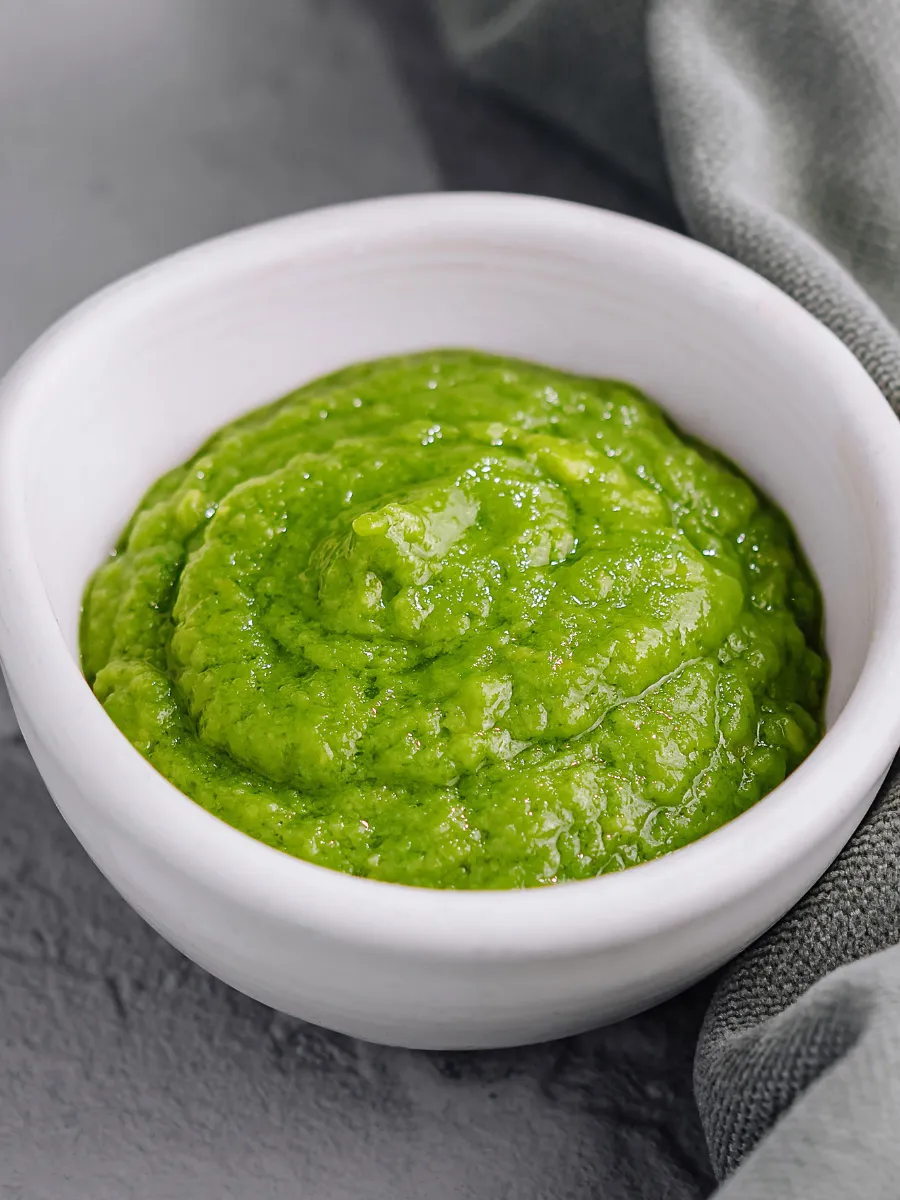
Pesto sauce is a fresh, green sauce with a bright herb flavor and a rich, nutty taste. It comes together quickly with fresh basil, garlic, Parmesan cheese, pine nuts, olive oil, and a little salt. You do not need special cooking skills to make it at home. I love using pesto when I want a fast meal that still tastes fresh and homemade. Toss it with hot pasta, spread it on sandwiches, spoon it over grilled chicken, or use it as a dip. Homemade pesto also tastes much fresher than most jarred versions, especially when you use sweet, fragrant basil.
What Is Pesto Sauce?
Pesto sauce is an Italian sauce traditionally made from fresh basil, pine nuts, garlic, Parmesan cheese, and olive oil. The ingredients blend into a thick, creamy green sauce without cooking.
The word “pesto” comes from the Italian word pestare, which means to crush or pound. Traditional pesto comes from Genoa in the Liguria region of Italy.
Today, many cooks make simple pesto variations with walnuts, almonds, spinach, parsley, or other herbs. Still, classic basil pesto remains the most popular version.
Ingredients
- 2 cups fresh basil leaves, packed
- 1/3 cup pine nuts
- 2 garlic cloves
- 1/2 cup freshly grated Parmesan cheese
- 1/2 cup extra-virgin olive oil
- 1/4 teaspoon salt
- 1/8 teaspoon black pepper, optional
- 1 teaspoon fresh lemon juice, optional
Instructions
Step 1: Prepare the basil
Rinse the basil leaves gently and dry them well. Extra water can make the pesto thin and affect its flavor.
Step 2: Toast the pine nuts
Place the pine nuts in a dry skillet over medium-low heat. Toast for 2-3 minutes, stirring often, until lightly golden. Let them cool.
Step 3: Blend the base
Add basil, pine nuts, garlic, Parmesan, salt and pepper to a food processor. Pulse several times until the ingredients break down.
Step 4: Add the olive oil
Turn the food processor to low and slowly pour in the olive oil. Blend just until the pesto becomes smooth but still has some texture.
Step 5: Add lemon juice
Mix in lemon juice if you want a brighter flavor. Taste and add more salt if needed.
Step 6: Serve
Use the pesto right away with pasta, bread, vegetables, chicken, fish or sandwiches.
Essential Note
Do not overblend fresh basil. Too much heat from the food processor can darken the leaves and reduce their fresh flavor. Short pulses work better than running the machine continuously.
Dry the basil well before blending. Water can weaken the sauce and make it less rich. Also, add the olive oil slowly so you can control the texture.
Freshly grated Parmesan gives pesto a smoother texture and stronger cheese flavor than pre-shredded cheese. For the best taste, use fresh basil with bright green leaves and avoid leaves that look wilted or bruised.
If your pesto tastes too thick, add a small amount of olive oil. If it tastes too rich, a little lemon juice can brighten it. For pasta, reserve some pasta water before draining. Stir a spoonful into the pesto to create a silky sauce that coats the noodles well.
Store leftover pesto in an airtight container in the refrigerator for up to 4 days. Press a thin layer of olive oil over the surface to reduce contact with air and help slow browning. You can also freeze pesto in small portions for later use.
Recipe Notes
Use fresh basil, good olive oil, freshly grated Parmesan and toasted pine nuts for the best homemade pesto flavor and smooth texture.
Cooking Tips and Tricks
Use young, fresh basil leaves for a sweeter flavor and brighter color. Dry the leaves completely after washing them.
Toast pine nuts lightly, but watch them closely because they can burn fast. Let them cool before adding them to the food processor.
Pulse the ingredients instead of blending continuously. This helps protect the basil and gives the pesto a better texture.
Add olive oil slowly while blending. This makes it easier to control the thickness.
For pasta, loosen pesto with a little hot pasta water before serving. The starchy water helps the sauce cling to the pasta.
Do not heat pesto for a long time. Add it to hot pasta after cooking, or use it as a finishing sauce for chicken, vegetables and seafood.

YOU MAY ALSO LIKE...



Anupam
Before I even start cooking, I taste-test everything to make sure it’s spot-on. Then, I break it down for you with everyday essentials, nutrition info, and simple, step-by-step instructions. From breakfast to dinner, I walk you through each stage so cooking becomes easy, fun, and stress-free.
Read More