Marinara Sauce Recipe

Please read our Privacy & Disclosure Policy disclosure policy.
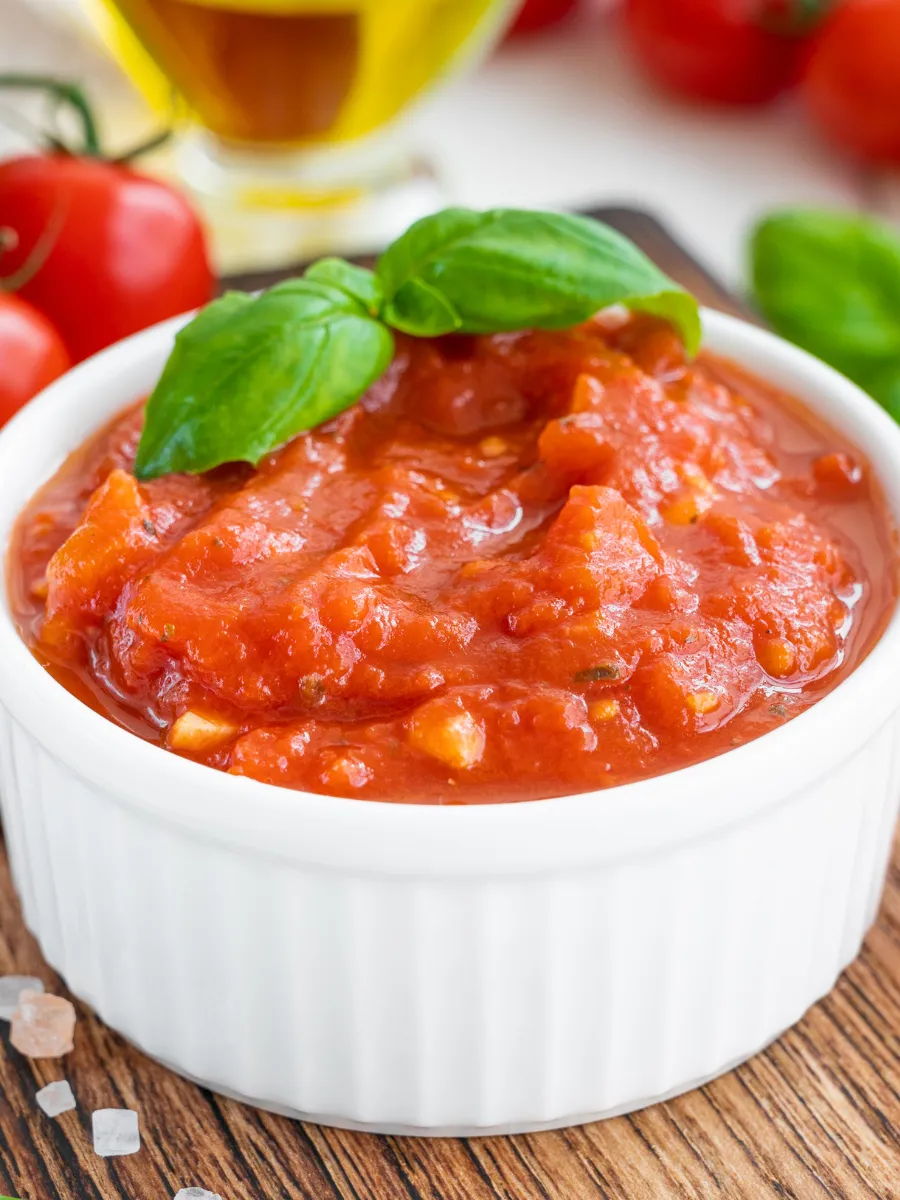
Marinara Sauce is a simple tomato sauce with a bright, fresh flavor and a smooth, rich texture. It usually combines tomatoes, garlic, olive oil, herbs, and a little seasoning. You can make it in one pot, and it works well for busy weeknight meals. I like to keep a jar of homemade Marinara Sauce in the fridge because it can turn plain pasta into a warm, tasty dinner in minutes. It also works with pizza, meatballs, chicken, sandwiches, and baked dishes. The best part is that you control the salt, herbs, and texture, so the sauce tastes fresh instead of overly processed.
What Is Marinara Sauce?
Marinara Sauce is a quick Italian-style tomato sauce made from tomatoes, garlic, olive oil, and herbs. Traditional versions often use simple ingredients and do not need a long cooking time.
The sauce should taste bright and tomato-forward, with a gentle garlic flavor and a fresh herb note. You can use crushed tomatoes for a smooth sauce or diced tomatoes for a more rustic texture.
Ingredients
- 2 tablespoons extra-virgin olive oil
- 4 garlic cloves, finely minced
- 1 can (28 ounces) crushed tomatoes
- 1 teaspoon dried oregano
- 1 teaspoon dried basil
- 1/2 teaspoon salt
- 1/4 teaspoon black pepper
- 1/2 teaspoon sugar, optional
- 1 tablespoon fresh chopped parsley
- 1/4 teaspoon red pepper flakes, optional
Instructions
- Warm the oil: Heat olive oil in a saucepan over medium-low heat.
- Cook the garlic: Add minced garlic and cook for about 30 to 45 seconds. Stir often so it does not burn.
- Add tomatoes: Pour in the crushed tomatoes. Add oregano, basil, salt, black pepper, and red pepper flakes if using.
- Simmer the sauce: Stir well and bring the sauce to a gentle simmer. Cook uncovered for 15 to 20 minutes, stirring from time to time.
- Balance the flavor: Taste the sauce. Add a small amount of sugar only if the tomatoes taste too sharp or acidic.
- Add fresh herbs: Stir in fresh parsley during the last minute of cooking.
- Serve: Use the warm Marinara Sauce with pasta, pizza, meatballs, chicken, or your favorite baked dish.
Essential Note
Keep the heat low after adding the tomatoes. A gentle simmer helps the flavors blend without making the sauce taste burnt or overly cooked. Garlic needs special care because it can turn bitter within seconds when cooked over high heat.
Tomato brands can taste very different. If your tomatoes taste acidic, add a small pinch of sugar rather than adding a large amount at once. You can also add a little more olive oil to soften the sharp flavor.
For a smooth Marinara Sauce, use crushed tomatoes or blend the finished sauce with an immersion blender. For a chunky sauce, use diced tomatoes and avoid blending.
If the sauce looks watery, simmer it uncovered for a few more minutes. If it becomes too thick, stir in a small amount of water or unsalted broth.
Taste before adding extra salt because canned tomatoes can already contain sodium. Fresh basil can replace dried basil, but add it near the end so it keeps more of its fresh flavor.
Let the sauce cool before storing it. Keep it in an airtight container in the refrigerator and use it within a few days. You can also freeze cooled sauce in small portions for easy future meals.
Recipe Notes
This homemade Marinara Sauce tastes fresh, bright, and savory, making it perfect for pasta, pizza, meatballs, sandwiches, and quick family dinners.
Cooking Tips and Tricks
Use good-quality canned tomatoes because they create most of the sauce’s flavor. San Marzano-style tomatoes can give the sauce a rich tomato taste, but regular crushed tomatoes also work well.
Cook the garlic over medium-low heat and stop as soon as it becomes fragrant. Burnt garlic can make the whole sauce bitter.
Do not rush the simmer. Fifteen to 20 minutes gives the tomatoes time to blend with the herbs and olive oil.
Taste the sauce before serving. Add salt little by little, and use sugar only when the tomatoes need help with acidity.
For extra flavor, add fresh basil or parsley near the end. A small drizzle of olive oil just before serving can also give the sauce a smoother finish.

YOU MAY ALSO LIKE...



Anupam
Before I even start cooking, I taste-test everything to make sure it’s spot-on. Then, I break it down for you with everyday essentials, nutrition info, and simple, step-by-step instructions. From breakfast to dinner, I walk you through each stage so cooking becomes easy, fun, and stress-free.
Read More